Latest Padel Spain news
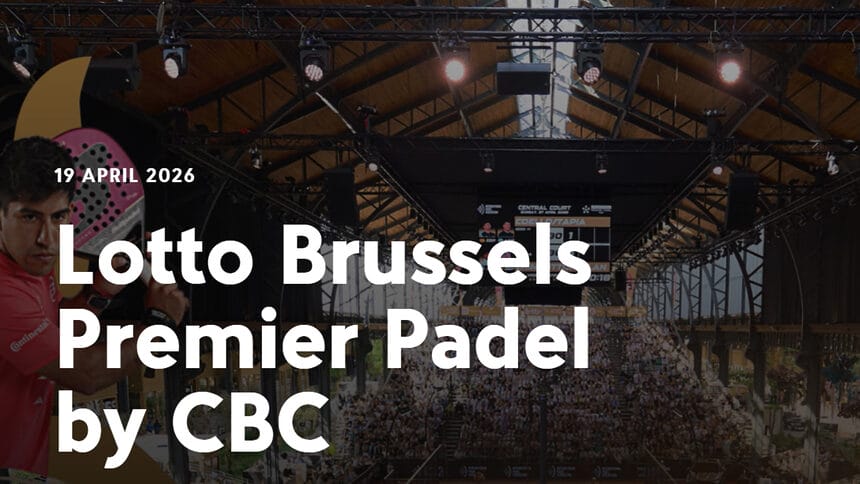
Brussels Premier Padel 2026: Tour & Taxis steps up the pressure ahead of Belgian Days
With just x3 weeks to go to the start of the qualifying…
When we talk about padel in Spain, we are referring to far more than just a country where the sport is thriving. Spain is one of the great centres of world padel, with a strong presence in clubs, tournaments, academies and the daily lives of thousands of players. Spanish padel stands out for its high standards, tactical depth and its ability to produce leading figures followed across Europe. For enthusiasts, looking at what is happening in Spain often helps explain where padel is heading, both on and off the court.
This category dedicated to padel in Spain allows you to follow the highlights of this essential scene closely. You will find content here on padel news, major competitions, infrastructure, Spanish players, new sector dynamics and the topics shaping the local market. The aim is to offer a useful, up-to-date and inspiring perspective for those who want to better understand the Spanish ecosystem, spot the strongest trends and keep an eye on a country that plays a central role in the evolution of padel.


With just x3 weeks to go to the start of the qualifying…
Talking about padel in Spain is not simply a matter of referring to a country where the sport is successful. It means talking about a place that has shaped the modern image of padel, influenced its standards and set a level of excellence that now serves as a benchmark across Europe. In Spain, padel is not something on the sidelines: it is embedded in everyday habits, in clubs, in sporting calendars and in a playing culture that is now deeply rooted.
This dominance is not based solely on the presence of great Spanish players or on a handful of headline matches on the professional circuit. It can also be seen in the quality of the facilities, the density of the courts, the seriousness of the training and the country’s ability to continuously produce new talent. Spanish padel remains one step ahead because it is built on a strong, vibrant and clearly defined ecosystem.
Following padel in Spain therefore means observing a genuine indicator of deeper trends. What happens there often sheds light on changes in the market, the way clubs develop, the organisation of tournaments and even the new expectations of players. For enthusiasts as well as for professionals in the sector, Spain remains a privileged field of observation for understanding how padel is changing, becoming more structured and continuing to gain visibility.
This page dedicated to padel in Spain therefore brings together the topics that make it easier to understand this landscape: competitions, major cities, influential figures, local dynamics, emerging scenes and the strongest signals of the moment. The aim is not simply to relay information, but to offer a clear, coherent and useful reading of a country that continues, season after season, to play a major role in the evolution of international padel.
Spain has established itself as a benchmark thanks to the strength of its club network, the frequency of its competitions and the quality of the training offered to players. Padel has been deeply rooted in the country’s sporting habits for many years.
This head start explains why padel in Spain is so often cited as a model of development and structure.
The success of padel in Spain can be explained by its accessibility, its social format and its ability to bring together very different kinds of players. It fits easily into recreational play while still offering a real level of challenge for competitors.
This combination of an accessible sport, club culture and strong visibility explains the lasting popularity of Spanish padel.
Madrid, Barcelona, Málaga, Seville, Valencia and Marbella are among the main strongholds of padel in Spain. These cities bring together a large number of clubs, regular events and sustained participation throughout the year.
Looking at these hubs makes it easier to understand where the major dynamics of padel in Spain and the local market are developing.
The Spanish level is built on a very broad base of players, highly effective training structures and a tactical culture that is passed on from the earliest stages. Players develop in a dense, demanding and competitive environment.
This context encourages the emergence of Spanish players capable of standing out consistently on the international circuit.
Clubs play a central role in Spain because they are not simply places to play. They also structure training, sporting activity, local competitions and player loyalty throughout the year.
The importance of padel clubs within the Spanish ecosystem is one of the great strengths of this padel culture.
The major professional events held in Spain naturally attract the most attention, but it is also important to follow national competitions, regional tournaments and events that reveal the talents of tomorrow.
Following these events makes it easier to understand padel news and the movements shaping padel in Spain throughout the season.
Spain influences other markets through its training methods, the way its clubs are organised, its competitive formats and its ability to professionalise the entire sector. Many European stakeholders draw direct inspiration from it.
This influence makes Spanish padel a major reference point for understanding industry trends.
Spanish academies enjoy a strong reputation because they combine volume of training, technical discipline and tactical reading of the game. They attract both young players in development and already experienced athletes.
Their success strengthens the image of demanding padel training and recognised expertise in padel in Spain.
Yes, because Spain does not shine only through its champions. The country also relies on a massive, regular and well-structured amateur playing base, which sustainably supports the sport’s growth.
This very broad foundation makes padel in Spain a model both for recreational play and for competition.
The Spanish market is so attractive because it concentrates everything enthusiasts are looking for: a high number of clubs, a strong standard of play, a well-established event culture and real momentum around equipment and training.
For many people, following padel in Spain makes it possible to spot the sector’s strongest signals more quickly.
The Spanish model shows that sustainable development depends on clubs that are well integrated locally, a varied playing offer, coherent training and constant activity for all levels.
These lessons make Spanish padel a source of inspiration for stakeholders looking to build a strong padel market.
A page dedicated to padel in Spain makes it possible to follow competitions, players, clubs, the cities that matter and the topics shaping this essential scene. It helps place each piece of information within a broader overall picture.
You will find a clear reading of padel news, Spanish players and the trends currently shaping the sector.
To provide the best experiences, we and our partners use technologies like cookies to store and/or access device information. Consenting to these technologies will allow us and our partners to process personal data such as browsing behavior or unique IDs on this site and show (non-) personalized ads. Not consenting or withdrawing consent, may adversely affect certain features and functions.
Click below to consent to the above or make granular choices. Your choices will be applied to this site only. You can change your settings at any time, including withdrawing your consent, by using the toggles on the Cookie Policy, or by clicking on the manage consent button at the bottom of the screen.
Connectez-vous