


Padel in Belgium has seen continuous growth for several years, to the point of becoming one of the most popular sports in 2024-2025. Belgium has established itself as a major player in the sport in Europe, thanks to the dynamism of its clubs, public interest, and increasing media coverage of professional circuits.
This article provides an accurate overview of padel in Belgium in 2025, based on verifiable data, recent analyses, and observed trends on the court.
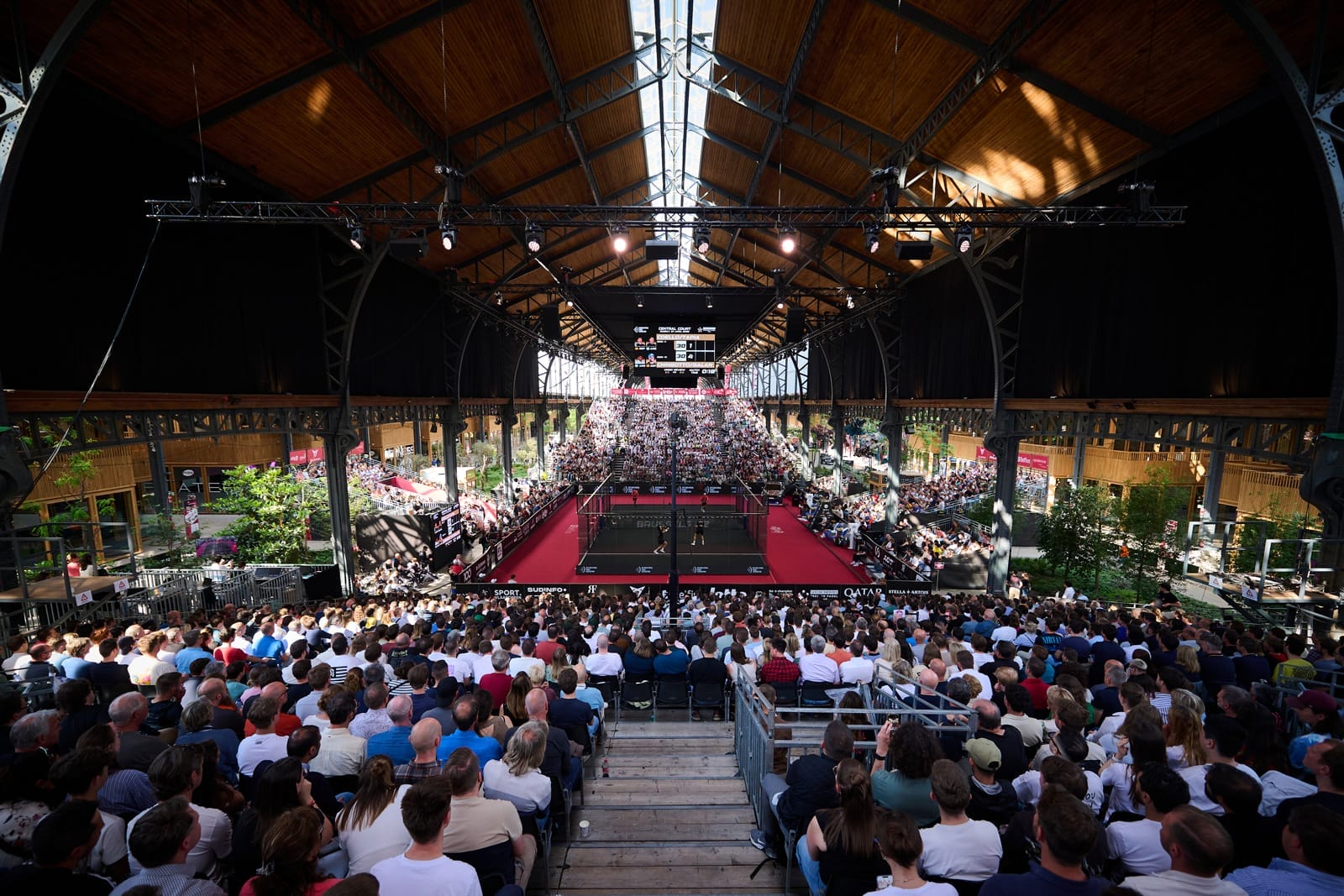
Padel in Belgium: Confirmed Growth
Since 2020, Belgium has seen an explosion in the number of players and courts, and several official sources confirm this development. RTBF already reported in 2021 that the number of courts had doubled in one year, from 524 to 1,088, and that clubs had increased from 181 to 295.
(Source: RTBF)
This dynamic continued in 2025, with the Francophone Padel Association indicating that over 11,000 official licenses are active and 15,500 competitors are participating in the season.
(Source: AFP)
How can this growth be explained? Notably by several factors: sport accessibility, moderate intensity, friendly atmosphere, but also increased visibility thanks to major international events.
A rapidly evolving infrastructure network
The growth of courts: a quantified reality
Between 2020 and 2025, padel experienced saturation in certain regions, leading to an acceleration in the creation of new courts. Trends-Tendances reports a massive increase in private investments in the construction of premium complexes and indoor infrastructures.
(Source: Trends)
This evolution marks a new stage: clubs are no longer content with just adding courts; they are developing ancillary services (such as restaurants, coworking, fitness, etc.), creating true sports hubs but also friendly places that attract people.
Regional differences: a varied landscape of Belgian padel
- Flanders: which has been the region with the most infrastructure since 2020.
- Wallonia: the most dynamic region since 2023, with major projects underway.
- Brussels has a high density of players and regularly hosts international tournaments.
Belgian players: progress and international ambitions
A rising elite
Belgian players now participate more regularly in FIP, A1 Padel, and Premier Padel tournaments. Indeed, Padel Magazine highlights that Belgium is attracting more and more international players and that the best Belgians are now integrated into foreign academies to improve.
However, even if Belgium is not yet at the level of nations like Spain or Argentina, the progress is clear.
The young generation of padel in Belgium: a crucial challenge
The development of padel among young people is a priority for Belgian clubs. Regional federations have implemented more junior competitions, a fact confirmed in official reports.
(Source: AFP)
Furthermore, with media coverage and social networks, many young people have learned about this sport. A real craze has been created around this “padel trend,” which has been beneficial for many existing clubs. Thanks to this popularity, young people have been able to take an interest in this sport and also try it. A real boost for this discipline.
Padel competitions in Belgium: a major role in national visibility
The Brussels Premier Padel P2: the flagship event
The Brussels tournament has become a key event in Europe. Belgium hosts the world elite in an event that significantly boosts padel’s media coverage in the country.
You can find all official information on the Premier Padel website.
(Source: Premier Padel)
The Belgian Padel Tour: structuring the national level
The Lotto Belgian Padel Tour has become the country’s most important circuit for the best national players.
(Source: Belgian Padel Tour). This circuit helps to develop a Belgian elite capable of performing at an international level.
Unprecedented popular enthusiasm
The number of amateur tournaments that sell out every weekend shows that padel is driven not only by competition but also by recreational play.
Trends-Tendances also notes that padel is among the sports attracting the most new adult players in Belgium. (Source: Trends)
This popularity fuels the opening of new clubs and strengthens the professionalization of the sector.
Current challenges for padel in Belgium
Despite a very positive review, Belgian padel must still manage several challenges:
- Court saturation: many clubs are fully booked during peak hours.
- Noise pollution: some club projects are locally contested.
- Lack of certified coaches: demand exceeds supply.
- High-level structuring: still too recent to compete with major nations.
- Harmonization between regional federations: a topic already mentioned by the AFP.
(Source: AFP)
These challenges will shape the evolution of Belgian padel in 2026 and beyond.
What are the prospects for 2026?
Among the upcoming trends, we can note the following, and they are promising:
- Development of new indoor centers,
- Establishment of structured academies for young people,
- Increase in the number of international tournaments,
- Gradual entry of major sponsors into the Belgian market,
- Belgian players gaining power on the FIP and Premier Padel circuits.
Everything indicates that Belgian padel is transitioning from an explosive growth phase to a structured maturity phase, which should further strengthen its status in Europe.
Padel in Belgium: Conclusion
In 2025, Belgian padel is at a key moment in its history: never before has the discipline had so many players, clubs, or competitions. Thanks to sustained growth, increasing media coverage, and deep public interest, Belgium is now one of the most dynamic nations in Europe.
Even if challenges exist, the potential is enormous and promising.
2026 could be the year Belgium takes a decisive step towards the full professionalization of its padel.